
Do natural bed bug sprays actually work? Find out if these remedies are the real deal in combating those pesky pests.
Learn about the effectiveness of natural ingredients dust mite bites vs bed bugs, how to apply them for best results, and important safety considerations.
Compare natural options to chemical sprays to make an informed choice.
Take charge of your pest control with this essential information on natural bed bug sprays.

Effectiveness of Natural Bed Bug Sprays
When evaluating natural bed bug sprays, you may wonder if they truly eliminate bed bugs effectively. You want a solution that gives you the freedom to live without the constant worry of these pests invading your space.
Natural bed bug sprays offer a non-toxic alternative to traditional chemical treatments. They work by targeting bed bugs and their eggs https://igreenasia.com/, disrupting their life cycle and ultimately leading to their demise. These sprays often contain ingredients like essential oils or plant extracts known for their insect-repelling properties.
While the effectiveness of natural bed bug sprays may vary depending on the specific product and infestation severity, many users have reported positive results. Embracing natural solutions not only helps you avoid exposure to harmful chemicals but also contributes to a more eco-friendly approach to pest control.
Common Ingredients in Natural Sprays
To effectively combat bed bugs using natural sprays, you should familiarize yourself with the common ingredients found in these products. Essential oils like lavender, peppermint, and tea tree oil are popular choices due to their strong scents that repel bed bugs. These oils work by disrupting the bed bugs’ pheromones, making it difficult for them to navigate and mate effectively.
Another common ingredient in natural bed bug sprays is sodium lauryl sulfate, a compound derived from coconut oil. This ingredient helps to break down the bed bugs’ exoskeletons, ultimately leading to their demise. Additionally, diatomaceous earth is often included in natural sprays for its abrasive properties, which can dehydrate and kill bed bugs upon contact.
Vinegar is another key ingredient found in natural bed bug sprays, as its acidic nature can help to disrupt the bed bugs’ nervous system. Combining these ingredients can create a potent natural spray that effectively targets and eliminates bed bugs while offering you a safe and chemical-free solution.
Application Methods for Best Results
For optimal results, apply natural bed bug sprays using a fine mist sprayer to ensure thorough coverage on potential infestation areas. This method guarantees that the spray reaches crevices, cracks, and other hiding spots where bed bugs may be present. By using a fine mist sprayer, you can cover a larger surface area efficiently, increasing the effectiveness of the spray against these pests.
When applying the natural bed bug spray, make sure to focus on areas where bed bugs are likely to hide, such as mattress seams, bed frames, baseboards, and furniture upholstery. Remember to shake the spray bottle well before each use to ensure proper mixing of the ingredients for maximum potency. Additionally, allow the sprayed surfaces to dry completely before coming into contact with them again.
Consistency is key when using natural bed bug sprays. For best results, reapply the spray as recommended on the product label or after cleaning the treated surfaces. Regular and thorough application will help eliminate bed bugs and prevent future infestations without harsh chemicals or toxins.
Safety Considerations When Using Sprays
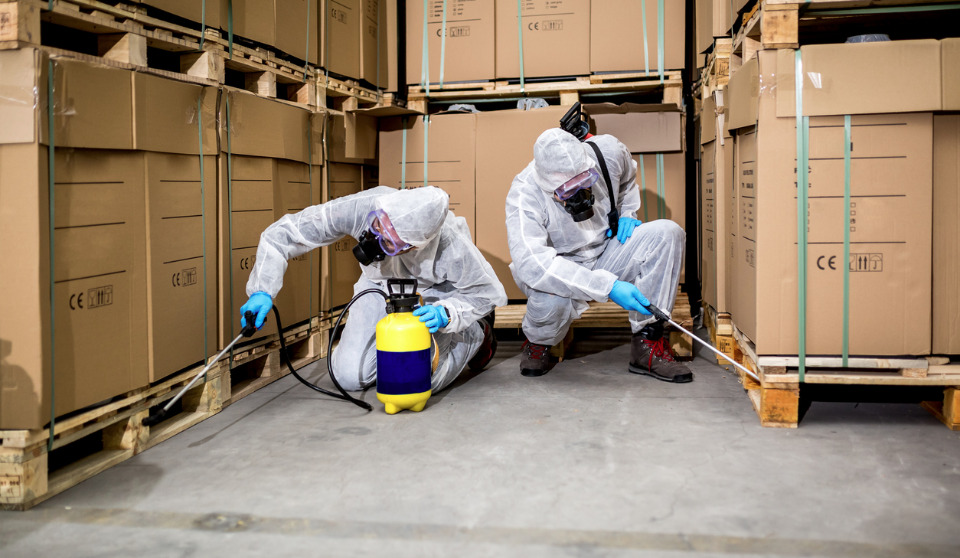
Ensure safe usage of natural bed bug sprays by following the instructions on the product label and wearing protective gear as recommended. When using these sprays, prioritize your safety by ventilating the area properly. This will help prevent inhaling excessive fumes. Additionally, avoid spraying near open flames or electrical outlets to reduce the risk of fire hazards. Remember to keep children and pets away from treated areas until the spray has dried completely to prevent accidental ingestion or contact.
If you have respiratory issues or sensitivities, consider wearing a mask to minimize inhalation of spray particles. When applying the spray, make sure to cover your skin to prevent any potential irritation. After using the product, wash your hands thoroughly with soap and water. If you experience any adverse reactions, such as dizziness or skin irritation, seek medical attention immediately.
Comparing Natural Vs. Chemical Bed Bug Sprays
When choosing between natural and chemical bed bug sprays, consider their effectiveness and potential risks.
Natural bed bug sprays often contain ingredients like essential oils, vinegar, or diatomaceous earth. While these options are considered safer for pets, children, and the environment, their efficacy may vary. Some people find natural sprays to be gentler and less harsh smelling, providing a more pleasant experience.
On the other hand, chemical bed bug sprays typically contain powerful insecticides that can quickly eradicate bed bugs. These products are known for their fast action and high success rates in killing bed bugs on contact. However, they may also pose risks to human health and the environment if not used correctly.
When deciding between natural and chemical bed bug sprays, weigh the pros and cons of each, considering factors like effectiveness, safety, and your personal preferences. Ultimately, choose the option that aligns best with your values and desired outcomes.
Conclusion
In conclusion, natural bed bug sprays can be effective in treating bed bug infestations. With common ingredients like essential oils and diatomaceous earth, these sprays can help eliminate bed bugs without the use of harsh chemicals.
By following proper application methods and safety considerations, natural sprays can be a safe and environmentally friendly solution for getting rid of bed bugs in your home. Consider trying natural sprays before resorting to chemical options.